Pokies are built to keep sessions moving, which is why harm rarely announces itself with a single obvious moment. Gambling harm signs pokies players should notice usually show up as small shifts in behaviour, timing and money flow rather than dramatic losses. As someone who has built regulated comparison products in Serbia and shipped two media exits, I treat early signals the same way I treated compliance flags: track the pattern, not the headline. That mindset matters because a few quiet changes in how you play, check your balance or chase a bonus can tell you more than any single spin ever will.
What to Watch During Your First Registration and Verification
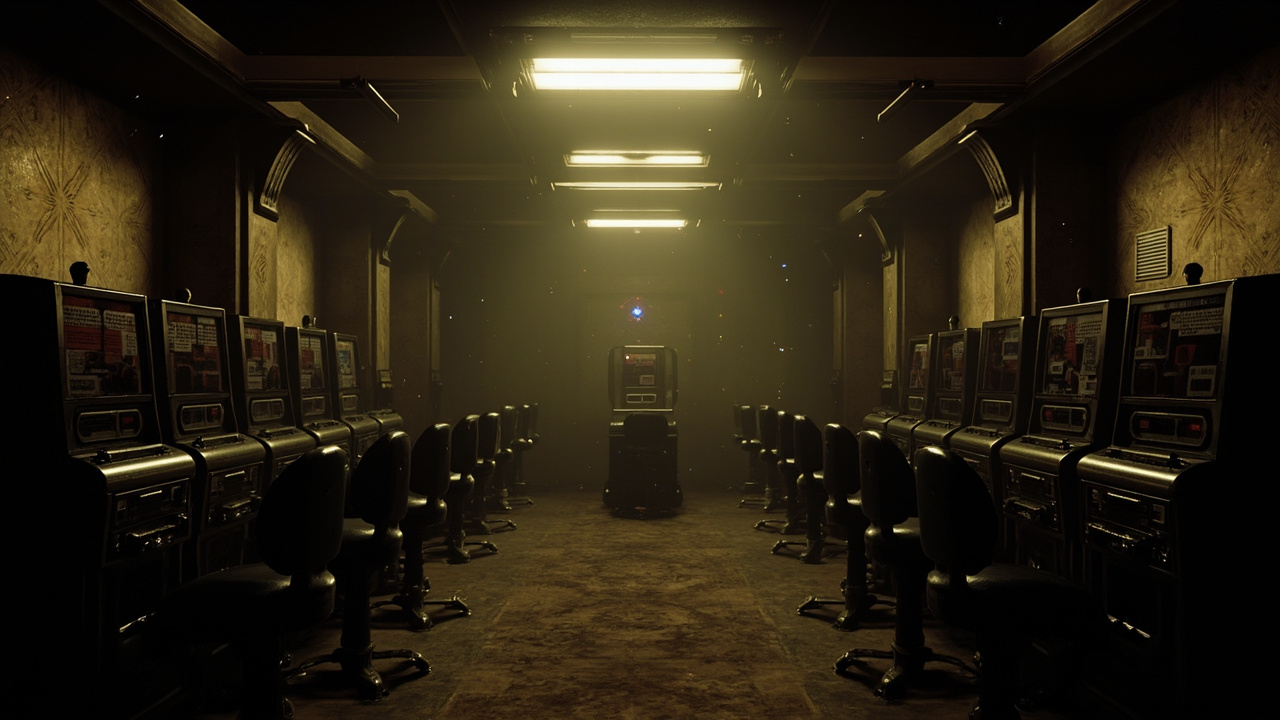
Australian operators still run identity checks before you can deposit, and that onboarding window is where early harm signs often hide in plain sight. You should expect signup to ask for age proof, residency details and a payment method that matches your name, because legitimate sites cannot skip verification or geo-blocks. If you are sitting in Western Sydney and your first deposit feels rushed, take a breath and read the bonus terms before you activate anything, since a welcome offer can quietly stretch a session long after you meant to stop. I have seen regulated Serbian comparison flows where the same identity step was used to slow down impulsive first deposits, and that same discipline works here: confirm you are eligible, verify the card or wallet, then decide whether the bonus actually suits your play style. When the first session starts, watch whether you are logging in to play a set amount or to justify the bonus you just claimed, because that motivation shift is one of the quieter gambling harm signs pokies players miss. You can treat your first session like a test run rather than a win target, checking how long you sit, how often you top up and whether the game pace feels comfortable before you commit more time.
How Session Habits Can Mask a Growing Problem
Pokies are designed to remove natural pauses, so the most useful warning signs are often about time and attention rather than the balance on screen. A player who keeps extending an arvo session because the next spin feels close to a break-even point is already drifting into a pattern that is hard to untangle later. I have worked with gaming investments where retention metrics looked healthy right up until customer support logs showed the same people asking the same questions about lost sessions, and that is the kind of behind-the-scenes signal that matters more than any flashy feature list. If you find yourself checking the machine or app between chores, skipping meals, or treating a losing streak as a reason to keep going rather than stop, those are practical gambling harm signs pokies players should take seriously. A realistic example for an ordinary Australian reader is simple: you head out to unwind after work, plan one short session, and then realise you have been sitting past your original stop time because the game rhythm made it hard to notice the clock. That is not a dramatic collapse, but it is exactly the sort of ordinary drift that turns a casual session into a costly habit.
Reading the Numbers Behind the Screen
Money flow tells a clearer story than mood, especially when a player starts talking about a “whale” mindset that does not match their actual bankroll. The term borrows from casino marketing slang for a big gambler, but the danger starts well before anyone is spending like a high roller, because chasing larger stakes to recover losses is one of the most common gambling harm signs pokies players rationalise away. As Andrew Harris, Strategy Director, Swan River Interactive, has pointed out, the earliest risk signals usually show up in repeat top-ups and shorter gaps between deposits, not in one catastrophic loss. If your deposits are creeping up, your withdrawals are getting delayed by extra verification, or you are funding play with money meant for bills, rent or a car rego, that is the point where the numbers are doing the talking. Callum Murphy, Product Analytics Lead, Banksia Betting Partners, has noted that session length and deposit frequency often rise together long before a player admits anything is wrong, which is why it helps to review your own history with the same blunt eye you would use for a household budget. A useful habit is to set a firm loss limit before you log in, then treat any attempt to override it as a sign to close the session rather than negotiate with yourself.
Support, Limits and When to Step Back
Responsible play tools only work if you actually use them before a session gets out of hand, so the practical move is to set deposit limits, session reminders and reality checks from the start instead of waiting until you feel stuck. If you are on mobile, the same rules apply, because a phone makes it far too easy to keep playing in a gap between tasks without noticing how much time has slipped by. When a player starts ignoring support prompts, sidestepping limit requests, or assuming a different app or site will somehow feel safer, that avoidance is itself one of the gambling harm signs pokies players should treat as a stop signal. Finn Anderson, Customer Experience Lead, Southern Star Esports, has observed that people often reach out only after they have already tried to solve the problem alone, which is why early contact with support or a trusted person is better than waiting for a crisis. If you are in Western Sydney and the session has gone from a bit of fun to something you are hiding from family or friends, that secrecy matters as much as the dollar figure. No casino product can make play risk-free, and the strongest protection is usually a clear stop rule, a realistic budget and the willingness to walk away before the next spin feels like a rescue.
If you are weighing whether a session still feels like a choice, the clearest test is whether you can stop at your planned time without renegotiating the rules in your head. Treat deposit limits, identity checks and bonus terms as part of the same safety setup, because they all exist to slow down a pattern that pokies are built to accelerate. When the numbers, the timing or the secrecy start shifting, that is the moment to close the app, talk to someone you trust, or seek independent support rather than hoping the next spin will sort it out. big bass floats my boat
Comments are closed.